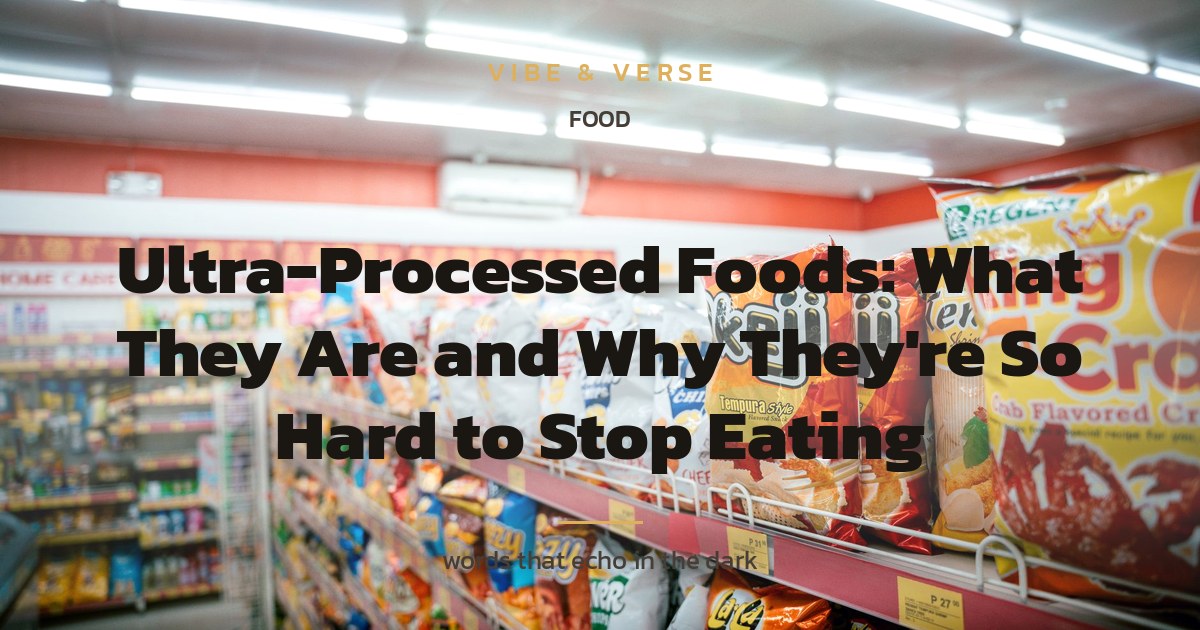
"Processed food" has become a catch-all insult, which is a shame, because processing covers everything from freezing peas to fermenting yoghurt. Chopping, heating, drying, and canning are all processing, and most of them are useful. The category worth paying attention to is narrower and newer: ultra-processed food. Understanding what actually distinguishes it explains a lot about why some foods are so easy to keep eating long after you're full.
The Four Categories
Researchers commonly sort foods into four groups by degree of processing:
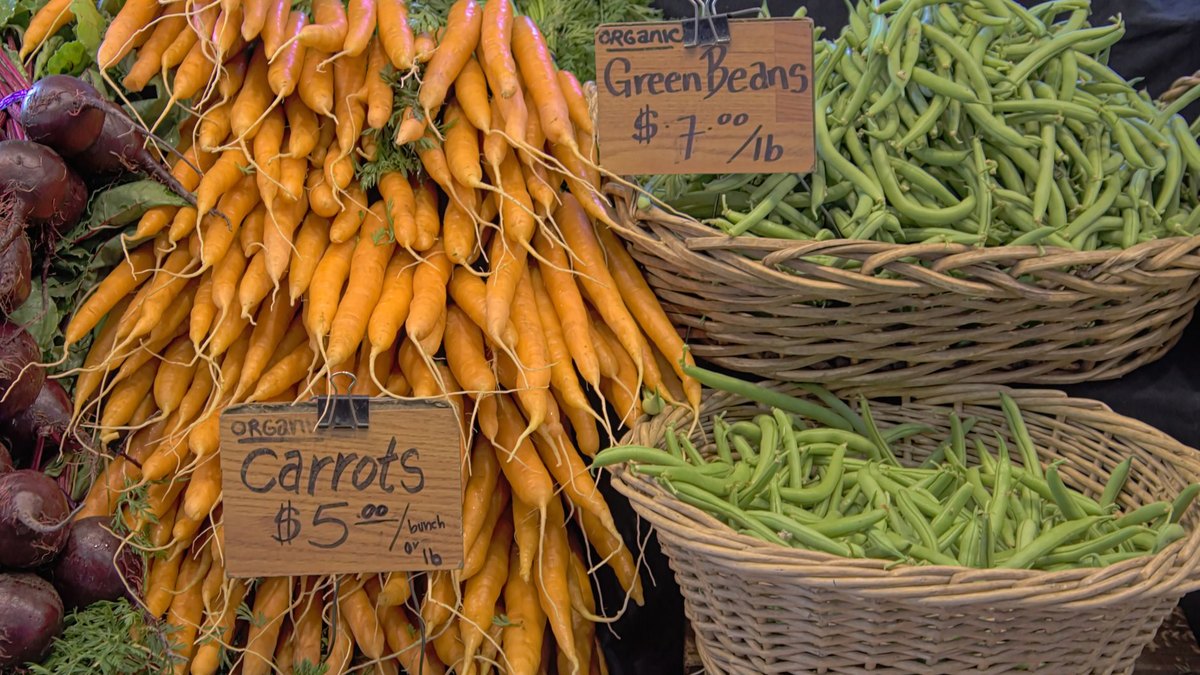
**Unprocessed or minimally processed** — fruit, vegetables, eggs, meat, milk, rice, dried beans. Things that have been cleaned, cut, chilled, or dried but not much else.
**Processed culinary ingredients** — oil, butter, sugar, salt, flour. Extracted from foods and used to cook with rather than eaten alone.
**Processed foods** — bread, cheese, tinned fish, salted nuts, canned vegetables. Made by combining group one with group two. Generally recognisable as food that could be made in a home kitchen.
**Ultra-processed foods** — formulations made largely from substances extracted from foods plus additives, often containing ingredients you'd never find in a domestic kitchen: protein isolates, invert sugar, modified starches, emulsifiers, flavour enhancers, colourings. Soft drinks, packaged snacks, instant noodles, mass-market breads, reconstituted meat products, many breakfast cereals, and most ready meals.
What Makes Them Different
The clearest way to spot ultra-processed food is the ingredient list. If it's long, and if it contains multiple items whose function is texture, colour, shelf life, or flavour intensity rather than nutrition, you're likely looking at group four.
But the more important difference is what these foods do in the mouth. They tend to be soft, requiring little chewing. They're calorie-dense but low in fibre and water, so a large number of calories arrive before your stomach registers much volume. Fat, sugar, and salt appear in combinations that rarely occur in nature. And they're often designed to deliver flavour quickly and then clear, which prevents the sensory fatigue that normally makes you stop eating.
The Evidence on Overeating
A tightly controlled trial at the US National Institutes of Health fed participants either ultra-processed or minimally processed diets matched for calories, sugar, fat, fibre, and salt, and let them eat as much as they wanted. On the ultra-processed diet, people ate roughly five hundred more calories per day and gained weight, without reporting that the food was more enjoyable.
That last detail is the interesting one. It wasn't about the food tasting better. Something about the form — softness, speed of eating, calorie density — led to more consumption independent of preference. Large observational studies have separately linked high ultra-processed intake with higher risks of obesity, type 2 diabetes, and cardiovascular disease, though observational data can't prove cause on its own.
Why It's Not About Willpower
If you've ever finished a large bag of crisps and felt puzzled at yourself, this is why. The food was engineered by teams with research budgets specifically to be easy to keep eating. Blaming yourself for losing that contest is a bit like blaming yourself for losing a race against a car.
That reframing matters practically, because self-blame usually produces restriction, restriction produces bingeing, and the cycle repeats. Changing the environment works better than trying to out-discipline it.
Practical Steps That Help
**Focus on adding, not just removing.** Adding a vegetable, a protein source, and a fibre source to each meal displaces ultra-processed food naturally, without the psychological weight of a ban.
**Read ingredient lists rather than nutrition panels.** The panel tells you about grams; the ingredient list tells you about category. Long lists with unfamiliar functional additives are the signal.
**Change what's within reach.** Most snacking is decided by proximity, not hunger. What's on the counter gets eaten; what's in a high cupboard often doesn't.
**Eat slowly enough to notice.** Ultra-processed food is soft and fast. Deliberately adding things that need chewing — raw vegetables, nuts, whole fruit — slows meals down and lets fullness signals catch up.
**Don't aim for zero.** A diet that eliminates all convenience food is unrealistic for most people and tends to collapse. Shifting the ratio matters far more than achieving purity.
Some Nuance
Not every ultra-processed item is equally problematic. Wholegrain packaged bread and a fizzy drink both technically fall in group four, and they're not nutritionally equivalent. Some ultra-processed foods — fortified cereals, certain plant milks, protein products — serve genuine purposes for particular people. Cost and time are real constraints, and cooking everything from scratch is a privilege not everyone has. The useful goal is a shift in the overall pattern, not a moral rule.
The Bottom Line
Ultra-processed food isn't hard to stop eating because you lack discipline. It's hard to stop eating because it was designed to be. Recognising the category, changing what's within arm's reach, and building meals around foods that look roughly like what they came from does more than any amount of resolve. Progress here is measured in ratios, not in perfection.
Be the first to share a thought.