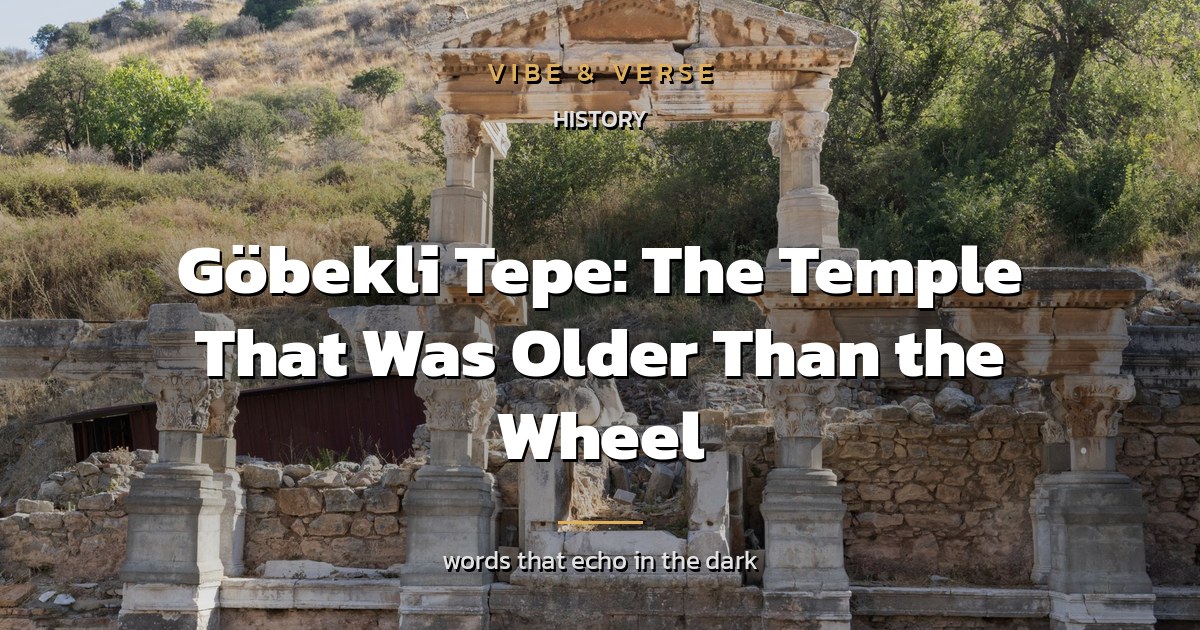
On a dusty hilltop in southeastern Turkey stands a discovery that quietly upended what we thought we knew about human history. Göbekli Tepe is a complex of massive carved stone pillars — and it is astonishingly, almost unbelievably, old. It was built roughly 11,000 years ago, predating Stonehenge by around six thousand years, and the pyramids by even more.
Older than civilization itself
To grasp how old that is, consider what didn't yet exist when it was built. There was no writing. No metal tools. No pottery. No wheel. Crucially, there was no farming — the people who raised these enormous stones were hunter-gatherers, without cities, without agriculture, without any of the things we usually assume are required to build something monumental.
What it looks like
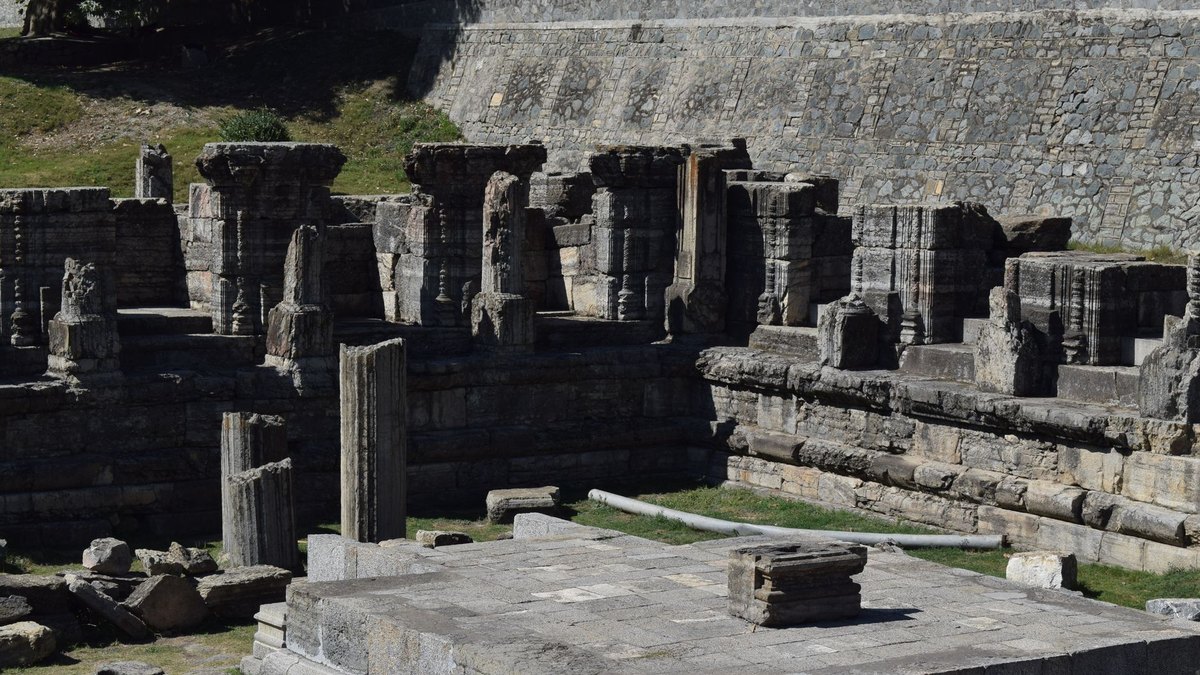
The site features great T-shaped limestone pillars, some standing several metres tall and weighing many tonnes, arranged in circles. Many are carved with striking reliefs of animals — foxes, boars, snakes, birds, and dangerous creatures rendered with real skill. Moving and shaping stones of this size, without metal tools or draft animals, would have required large numbers of people working together toward a shared purpose.
Why it rewrote history
For a long time, the accepted story went like this: humans first invented farming, which produced surplus food, which allowed settled towns, which eventually led to temples and religion. Göbekli Tepe flips that order on its head. Here was a grand ceremonial site built before farming — hinting that the desire to gather and worship may have helped drive people to settle down, rather than the other way around. The temple may have come first, and the town followed.
The unanswered questions
Much about the site remains mysterious. We don't fully know what rituals took place there, what the animal carvings meant, or why, after centuries of use, parts of it were deliberately buried. Only a fraction has been excavated, and each season of digging adds new pieces to a puzzle that is far from complete.
Göbekli Tepe stands as a humbling correction to our confidence about the past. The people we picture as simple hunter-gatherers were capable of vision, cooperation, and craft on a scale we never credited them with. History, it turns out, began earlier — and grander — than we imagined.


Be the first to share a thought.