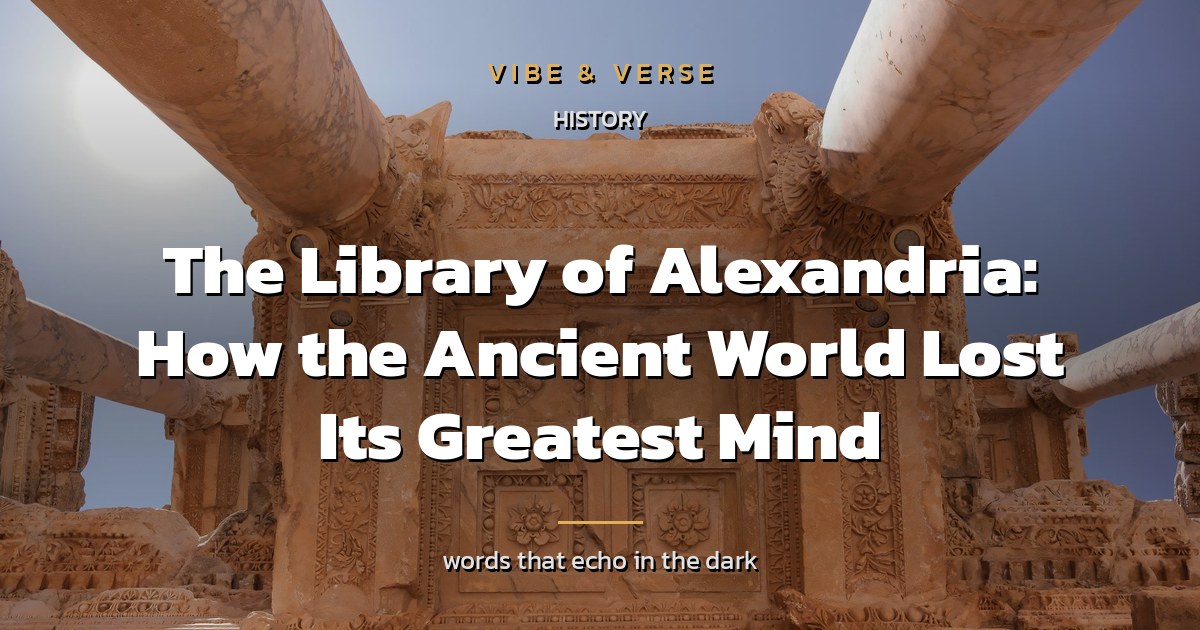
For centuries, the Library of Alexandria was the closest thing the ancient world had to the entire internet in one building. Founded in Egypt around 2,300 years ago, it aimed to collect all the knowledge in the world — and came remarkably close. At its height it may have held hundreds of thousands of scrolls, gathered from across the known world.
A machine for gathering knowledge
Alexandria didn't wait for knowledge to arrive; it hunted it. Ships docking at the port were searched — not for smuggled goods, but for books. Any scroll found was copied by the library's scribes; often the city kept the original and returned the copy. Scholars were paid to live, study, and translate there. It was less a quiet reading room than a state-funded engine for collecting the world's ideas.
What was lost
We know the names of works that once sat on its shelves and no longer exist anywhere — histories, plays, scientific treatises, entire branches of ancient thought. Estimates of exactly how much vanished are impossible to verify, but the loss shaped what later ages could even know about the past. Some ideas the world would not rediscover for well over a thousand years.
The myth of the single fire
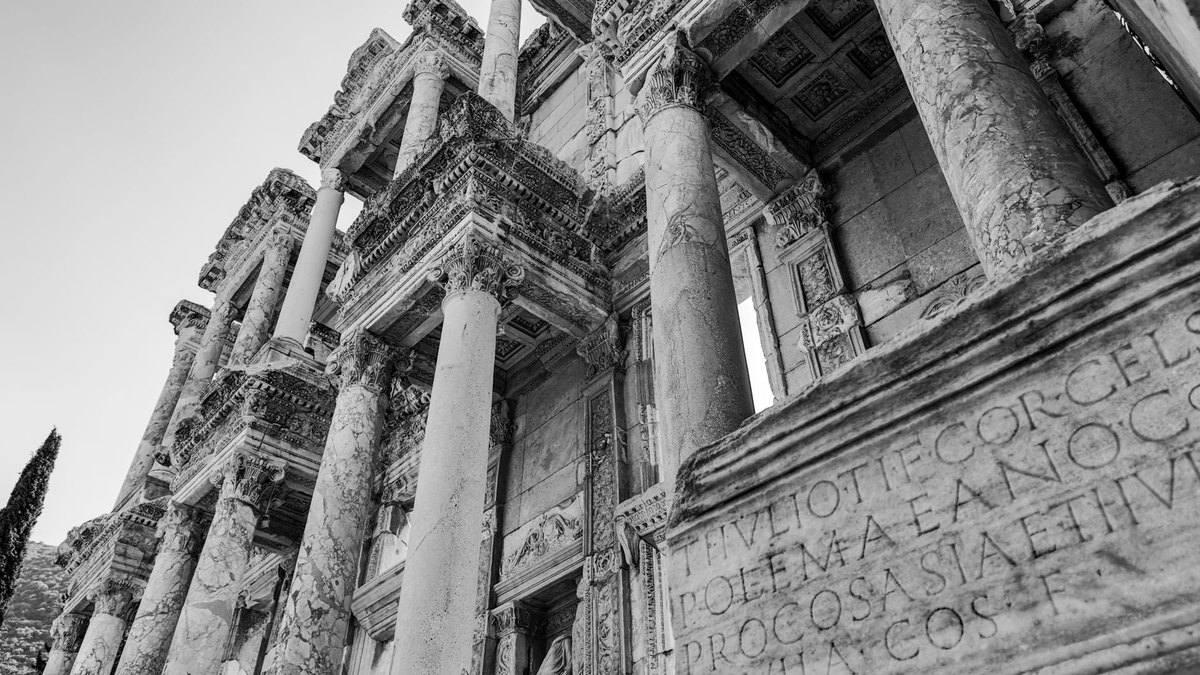
Popular imagination loves the image of one great blaze erasing it all in a night. The reality is less dramatic and more unsettling. The library declined over centuries through a series of blows: a fire during Julius Caesar's campaigns, cuts in royal funding, the expulsion of scholars, political turmoil, and the slow rot of neglect. No single villain destroyed it. Indifference did.
Why it still matters
That's the real lesson of Alexandria. The greatest store of knowledge the ancient world ever built wasn't undone by one catastrophe — it was allowed to fade because, bit by bit, people stopped protecting it. Knowledge is not permanent by default. It survives only when a civilization keeps choosing to preserve, copy, and value it.
We live now in an age drowning in information, and it's easy to assume none of it can ever truly be lost. Alexandria is the quiet reminder that it can — and that what one generation fails to safeguard, the next may never even know existed.

Be the first to share a thought.